What French Drains and Drainage Fixes Solve on Riverdale Lots
A french drain fixes water that soaks in and stays: a side yard that squelches for days, a soggy strip along the slab, a low corner where the mower leaves ruts. In Riverdale the usual culprit is the ground itself. USDA soil maps around the city center show Cecil and Pacolet soils mixed with "Urban land," meaning ground that was cut, filled and paved when the town built out, plus pockets of Altavista sandy loam on low terraces. Altavista is the one to know: the USDA series description puts its seasonal high water table 18 to 30 inches below the surface from December to April. A yard on that soil isn't badly graded so much as wet from underneath every winter.
Riverdale also sits close to where the Flint River begins. The city sits just south of Hartsfield-Jackson, and by the time the Flint reaches the USGS gauge at Valley Hill Road it drains only 23.5 square miles. Small headwater channels like that rise fast in a cloudburst. During Hurricane Helene in September 2024, Clayton County took an estimated 10 to 12 inches of rain, the Flint flooded Garden Walk Boulevard and Upper Riverdale Road, and access to Southern Regional Medical Center was cut off.
The right fix depends on which water you're fighting. Runoff sheeting off a neighbor's roof or the street is a grading and interception job: a french drain across the uphill side, or a swale. Water seeping up from a winter water table calls for a shallower trench than the textbook depth, so the pipe drains the perched layer instead of sitting in groundwater.
French Drain Cost in Riverdale
Expect $25 to $40 per linear foot for an exterior french drain and $40 to $55 per foot for an interior perimeter system, from a Georgia contractor's published price guide. Two Riverdale conditions move a quote within that range:
- Outlet distance. With about 15,000 residents on 4.42 square miles, Riverdale is built tight, and a small lot often leaves little room to daylight a pipe, so the solid run to a legal outlet can cost as much as the drain itself.
- Timing. On Altavista ground the water table is highest from December to April. Trenching in late summer or fall is drier, cleaner and easier to set at an even fall.
The Street Drains Belong to the Water Authority
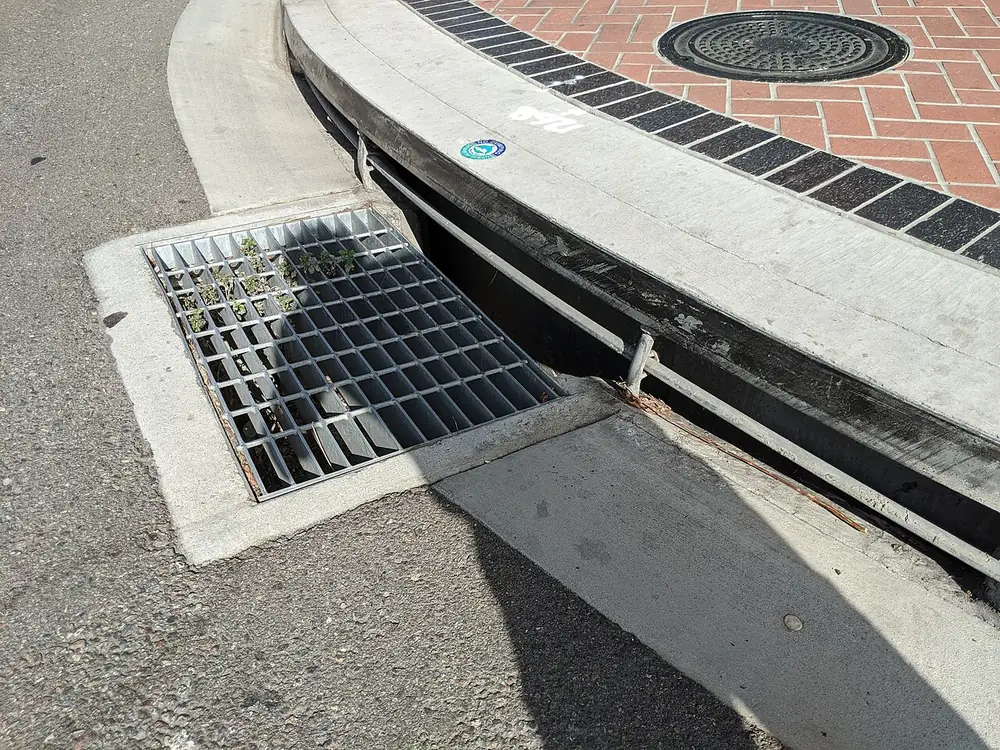
Riverdale doesn't run its own storm sewer. In 2006 Clayton County and its cities, Riverdale included, adopted one stormwater ordinance and put the utility under the Clayton County Water Authority. CCWA handles construction plan review, floodplain management, illicit discharge inspections and the pipes and catch basins in the right-of-way. That split decides who pays for what: the street system runs on CCWA's stormwater fee, while a french drain behind your house is entirely private.
Public money is going into the flooding, too: Clayton County has used federal funding to buy land, build green retention and rebuild stormwater structures. Those projects help streets and creeks. They won't dry out a backyard, which is where a private drainage system comes in.
Permits for Drainage Work in Riverdale
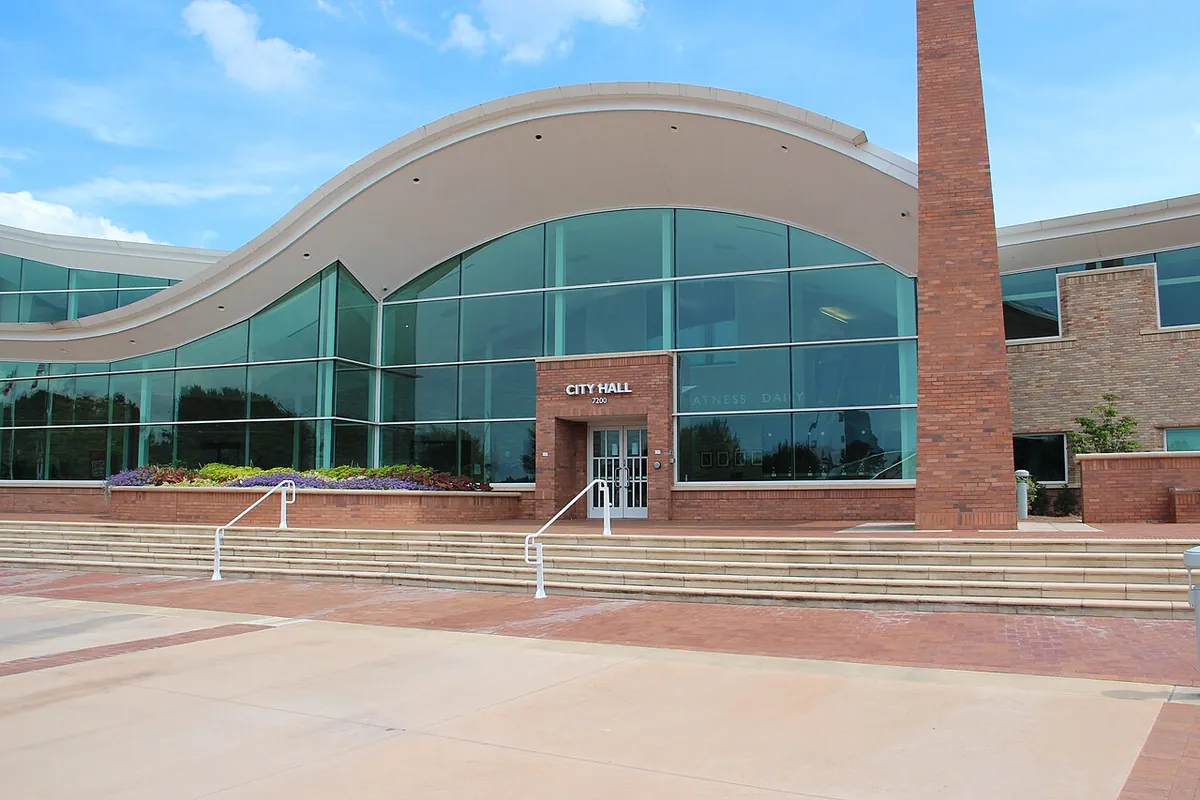
Riverdale issues its own land disturbance permits. The city's application, from the Department of Community Development's Building and Permitting Services at 971 Wilson Road (770-909-5486), says an LDP is required before any clearing, grubbing or grading can begin, and it asks for the disturbed acreage, the fill material and the cubic yards moved. Download the form from the City of Riverdale.
That's different from McDonough and the rest of Henry County, where the county's 120-square-foot threshold applies. A Riverdale homeowner who reads Henry County's rules online is reading the wrong rulebook.