What a Catch Basin Does on a McDonough Lot
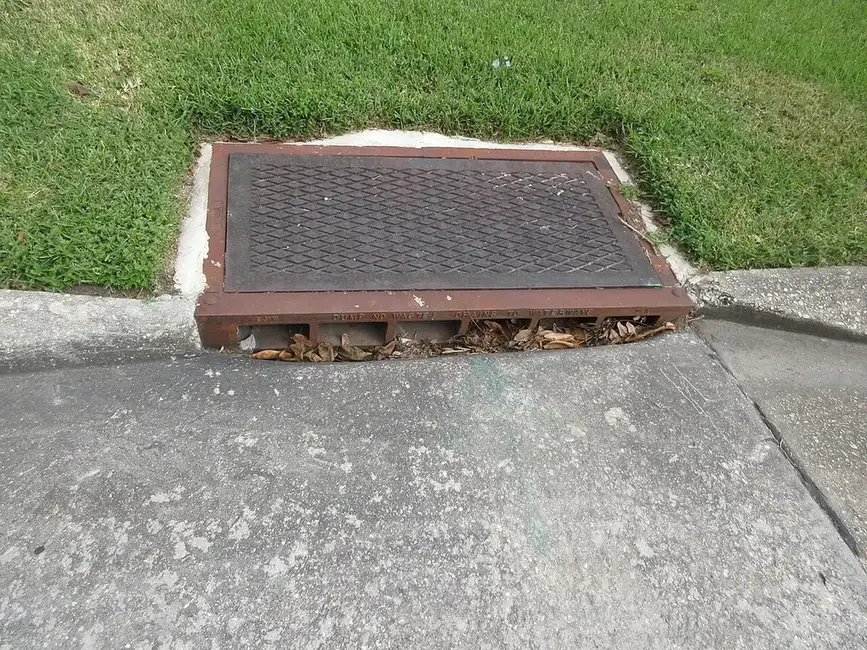
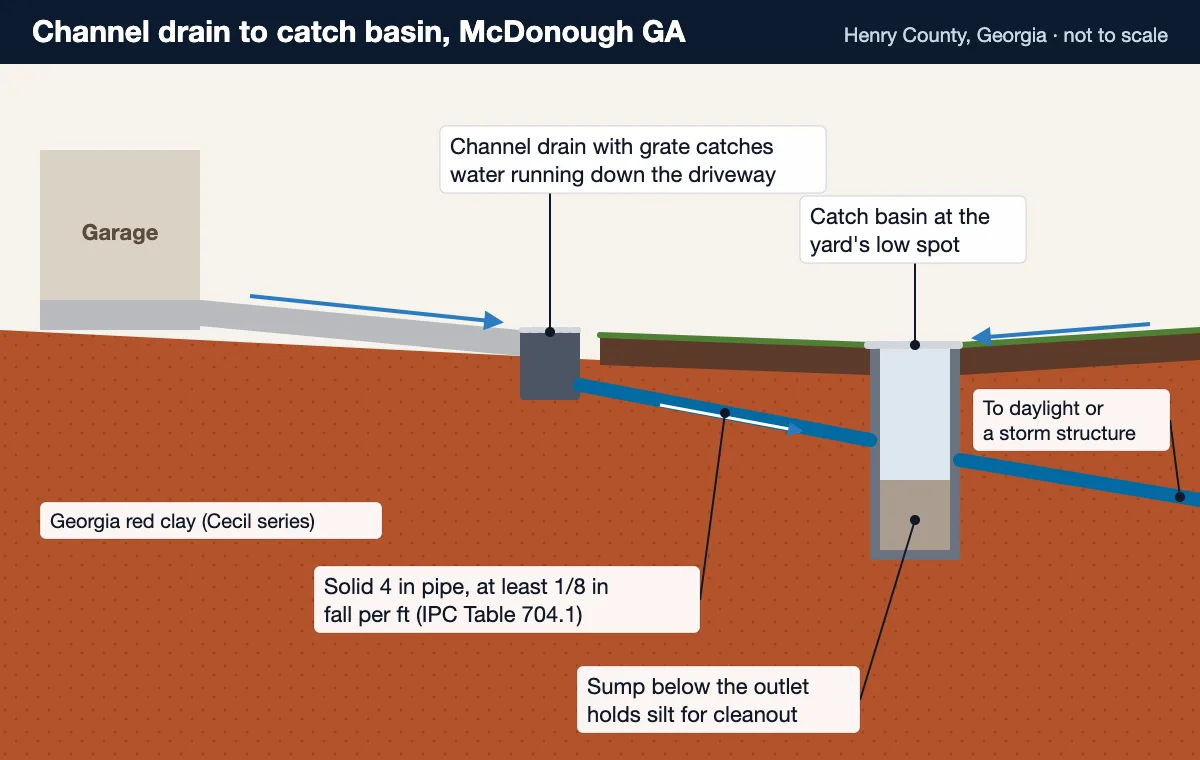
Catch basin installation in McDonough means setting a grated box at the lowest point where storm water collects, then running solid pipe from that box to a place the water can legally leave. The grate lets water in, a sump below the outlet holds grit and leaves, and the pipe carries the rest away before it can soak the lawn or reach the slab.
It suits water that gathers at one defined spot: the bottom of a sloped back yard, the corner where a driveway meets the grass, or a hollow beside a patio. Water spread in a sheet across a wide surface is a different job, better handled by a trench drain. Ground that stays soggy for days with no visible puddle points to subsurface water and a french drain instead.
Catch Basin Installation Cost in Metro Atlanta
One installed catch basin runs about $800 to $2,000 in Metro Atlanta, based on RW Lawn Co's 2026 cost guide for the region. Systems with two or more connected basins usually come to $3,000 to $8,000. The same guide breaks the parts out, and those figures explain most of the spread between a cheap quote and an expensive one.
| Item | Typical 2026 price |
|---|---|
| Plastic basin (box and grate) | $35 to $120 |
| Precast concrete basin | $600 to $2,100 |
| Digging and setting, per basin | $150 to $300 |
| 4-inch solid pipe, materials | $3.50 to $6 per foot |
| Basic daylight outlet | $150 to $450 |
Source: RW Lawn Co, Atlanta Catch Basin Installation Cost Guide (July 2026). The basin itself is rarely the big number. Distance to a legal outlet, a driveway or sidewalk the pipe has to pass under, and how hard the trench is to dig are what separate a $900 job from a $2,000 one.
Catch Basin Repair: Fix It or Replace It
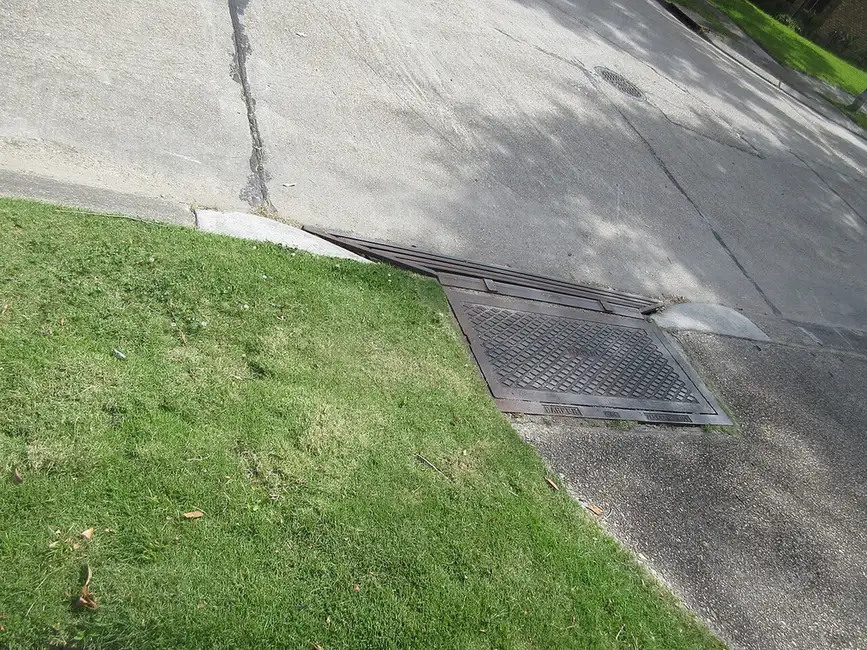
Most failing basins can be repaired, because the trouble usually sits in the sump, the grate or the outlet rather than in the box. A basin that overflows in every storm is typically packed with sediment or has an outlet pipe blocked by roots or a crushed section. One that sits in a dip of dead grass has often sunk after the backfill settled, so water runs around it instead of into it.
- Clogged sump: clean it out, then flush the outlet line to confirm it runs clear.
- Sunken or tilted frame: reset the box on a compacted stone base so the grate meets the finished grade.
- Cracked plastic grate: swap it for a matching or heavier grate, especially where a mower or car passes over.
- Blocked or broken outlet pipe: camera the line, then replace the damaged length.
Replacement is the better call when the box has split, when the original pipe was perforated and keeps filling with clay, or when the basin was simply placed where water doesn't collect. Moving a basin a few feet to the true low point can matter more than any new part.
Picking the Spot and the Outlet
The basin goes where water actually stands after a storm, not where it looks tidy. Walking the yard during a heavy rain, or right after one, shows the true low point better than any drawing. Metro Atlanta averages about 52 inches of rain a year, and summer storms drop a lot of it fast, so a basin placed even a few feet uphill of the real collection point will be bypassed.
Outlet comes next. The cleanest option is a daylight point lower on the same lot, often a rear swale or a slope toward a creek buffer. Where the lot is flat, a pop-up emitter in the lawn can release the water over a wider area. Tying into a county or city storm structure needs the owner of that structure to agree, so it should never be assumed. If none of those work, the problem may need regrading or a pump, and an honest estimate says so up front.
How a Catch Basin Goes In
- Locate utilities. Georgia law requires a Georgia 811 request at least three business days ahead, and hand digging within 18 inches either side of each marked line.
- Set the grade. Shoot elevations from the inlet to the outlet. NDS calls for at least 1 percent fall on the pipe, roughly 1/8 inch per foot.
- Dig and bed. Excavate the pit and trench, then lay 2 to 4 inches of 3/4-inch crushed stone under the basin so it can't settle.
- Connect solid pipe. Use solid rather than perforated pipe between the basin and the outlet, so the line doesn't fill with red clay fines.
- Test with water. Run a hose or buckets into the grate and watch the outlet before anything is buried.
- Backfill and restore. Compact around the box in lifts so the frame stays level with the lawn, then reseed or resod.
Red clay adds time to every step. RW Lawn Co notes that Atlanta clay compacts hard after dry weather, and once it's wet it sticks to every tool. Trenches cut in Cecil clay do hold a clean wall, though, which helps the pipe keep an even slope.