How a French Drain Goes In on Georgia Red Clay
A french drain in Georgia red clay requires more than digging a trench and dropping in pipe. Most residential installations in McDonough are complete in one to two days.
Site Assessment
A vetted local contractor walks the property, identifies where water enters and concentrates, checks grade, and confirms where it can legally exit: daylight points, catch basin locations, or street outlets.
811 Utility Marking
Required by Georgia law before any excavation. An 811 call gets utilities marked 48 to 72 hours before work begins.
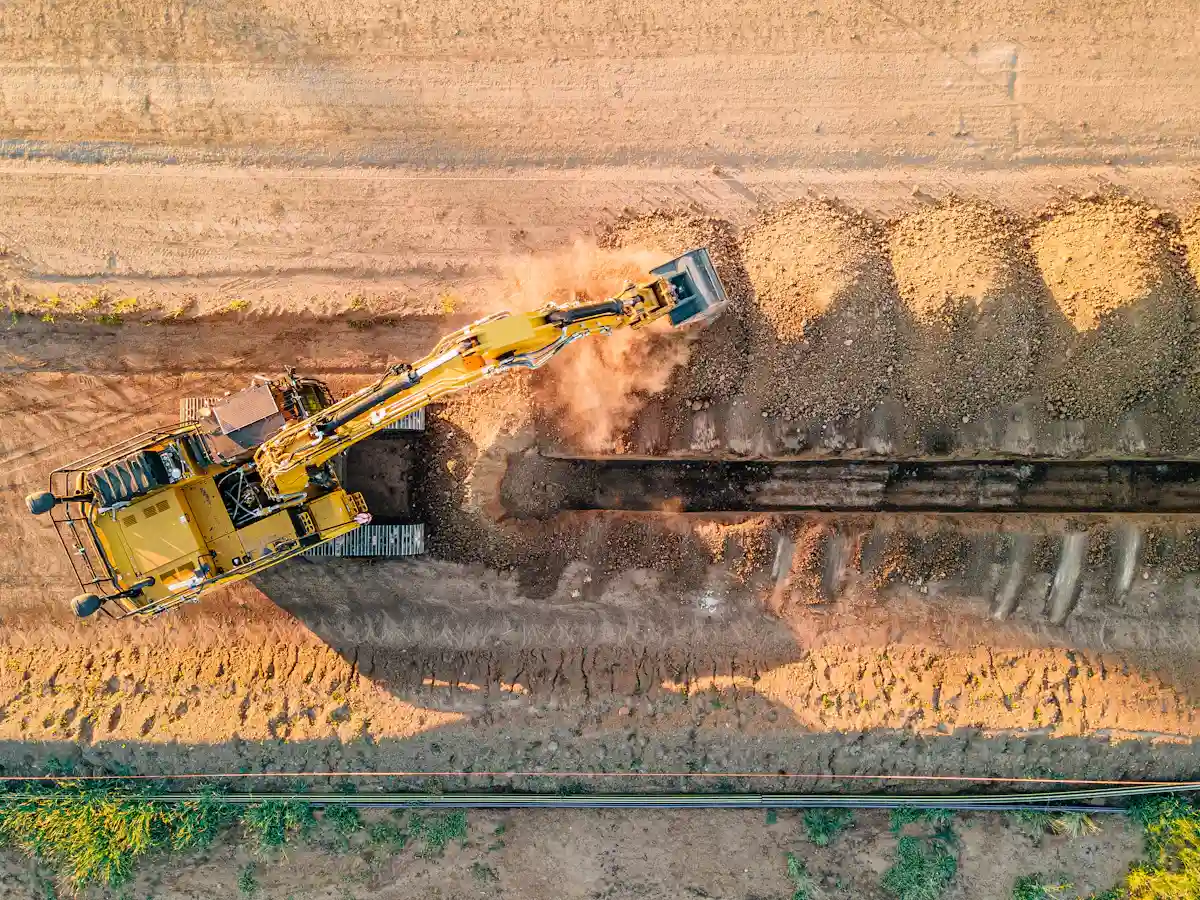
Trenching to Proper Depth
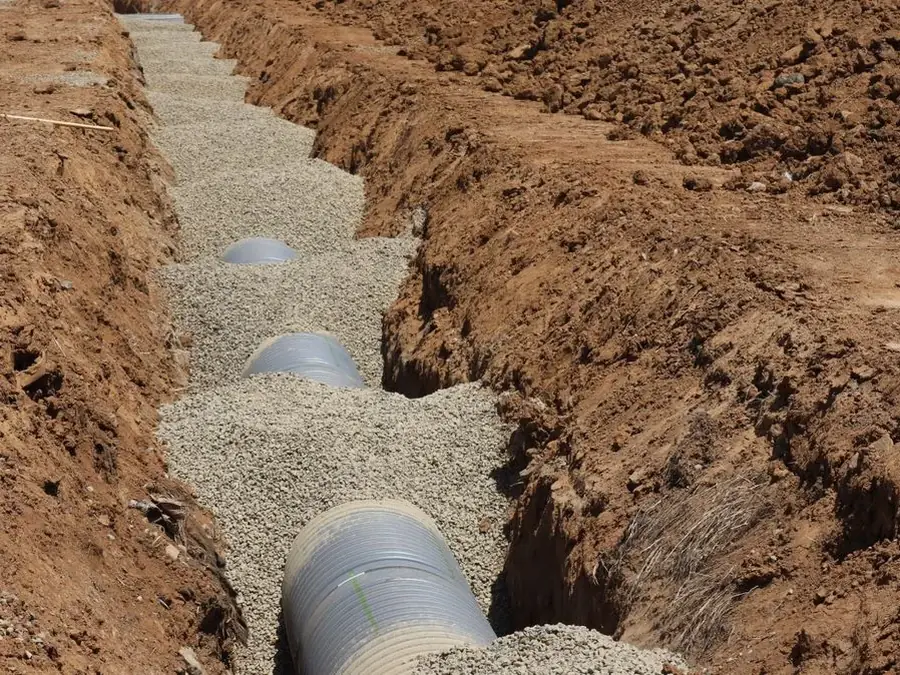
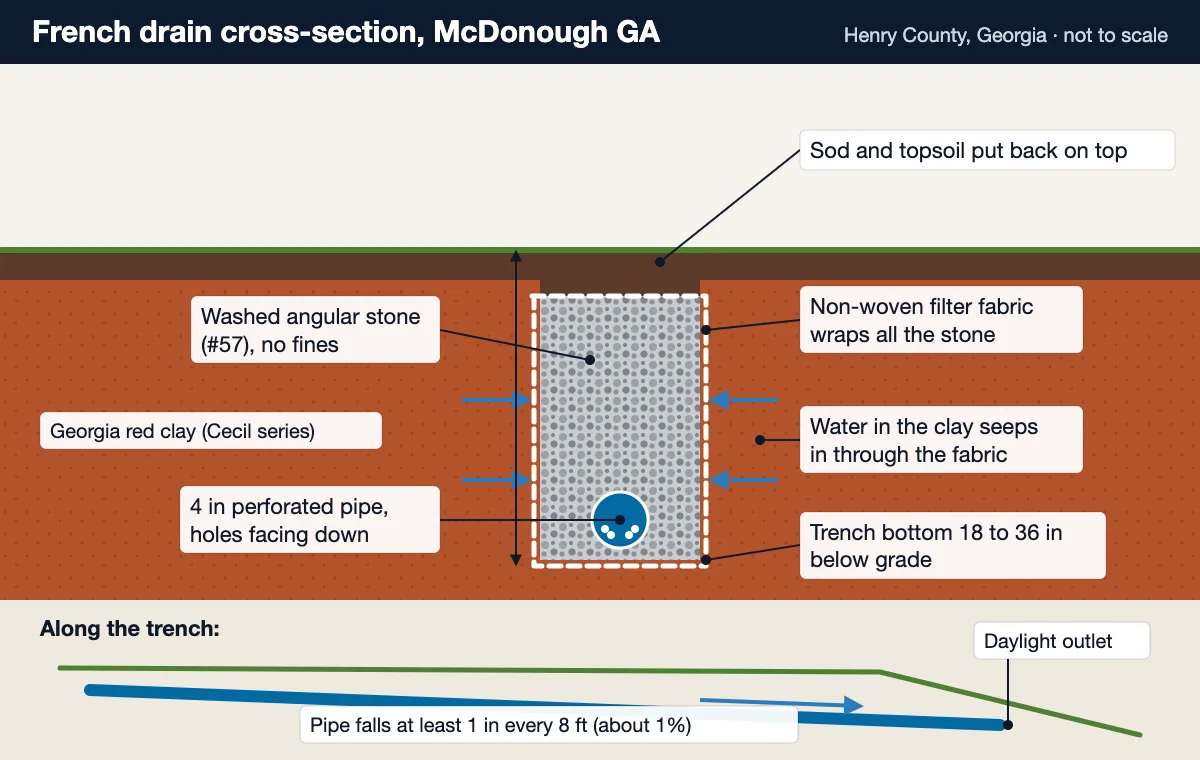
Cecil clay french drains typically need 18 to 36 inches of depth. Depth is set by your outlet elevation, the clay horizon depth, and whether the system targets surface runoff or groundwater.
Geotextile Fabric Lining
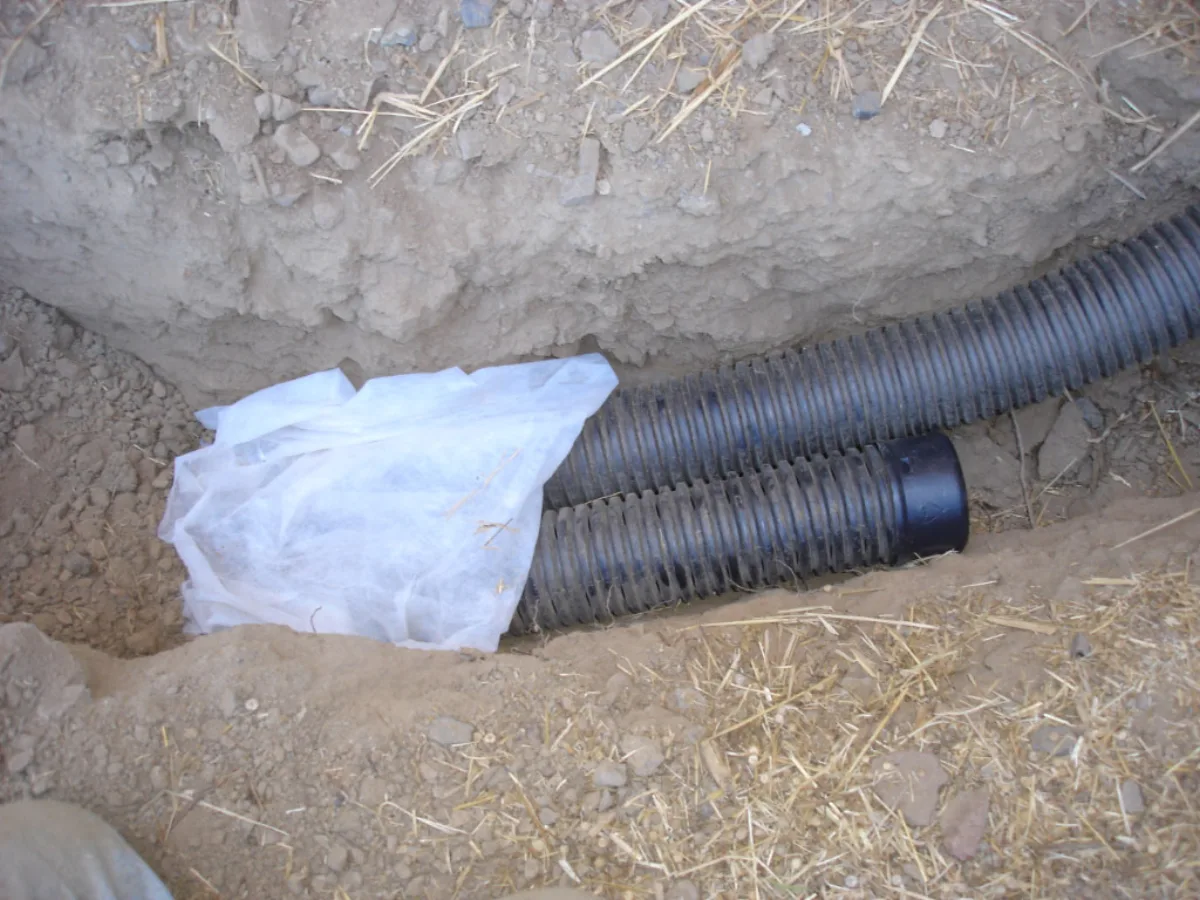
The trench is lined with heavy-duty non-woven geotextile, wrapping the full assembly including sides and bottom. This step is not optional in Georgia clay.
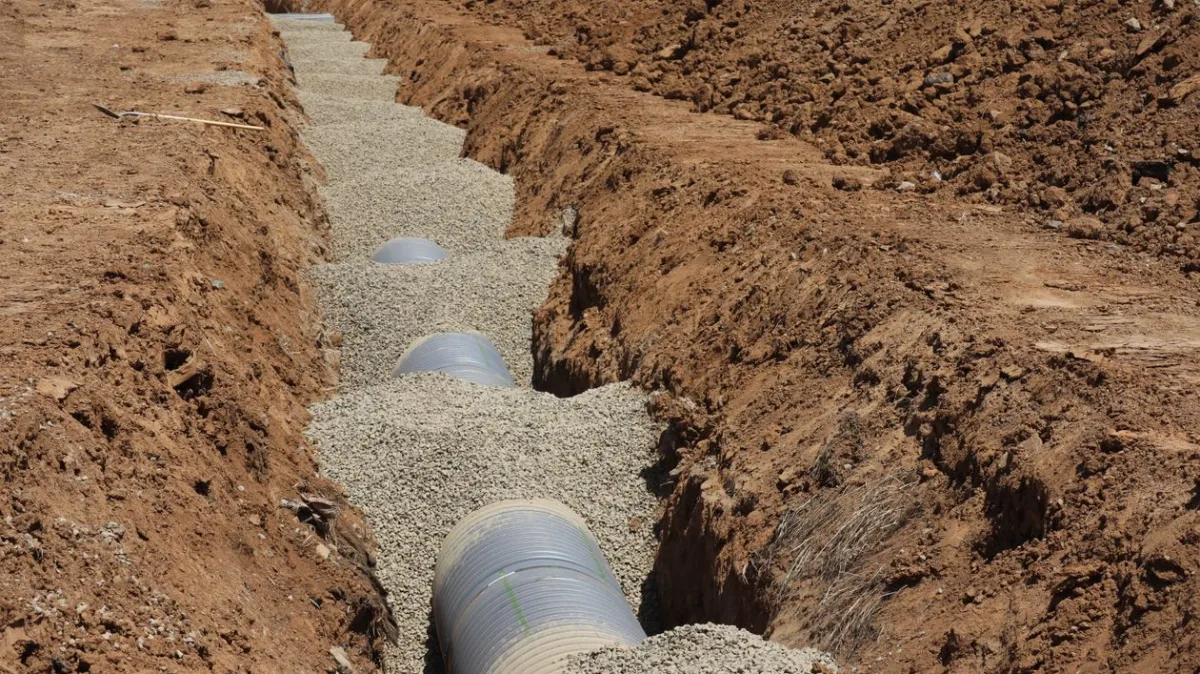
Clean Angular Stone Backfill
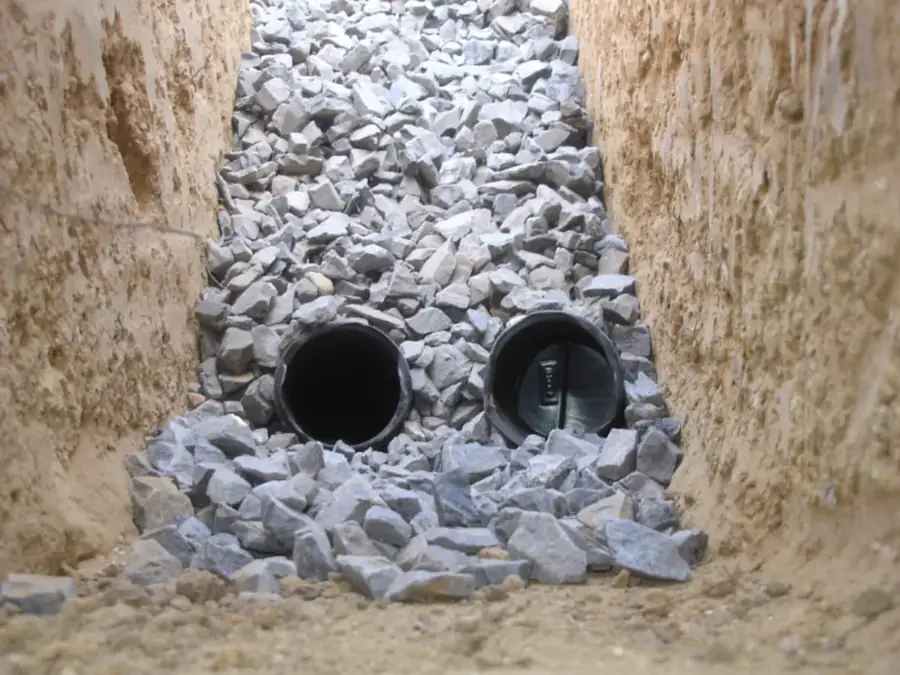
Washed crushed angular stone fills the trench around the perforated pipe. Rounded pea gravel and stone with fines are the wrong choice, since both pack up faster in clay conditions.
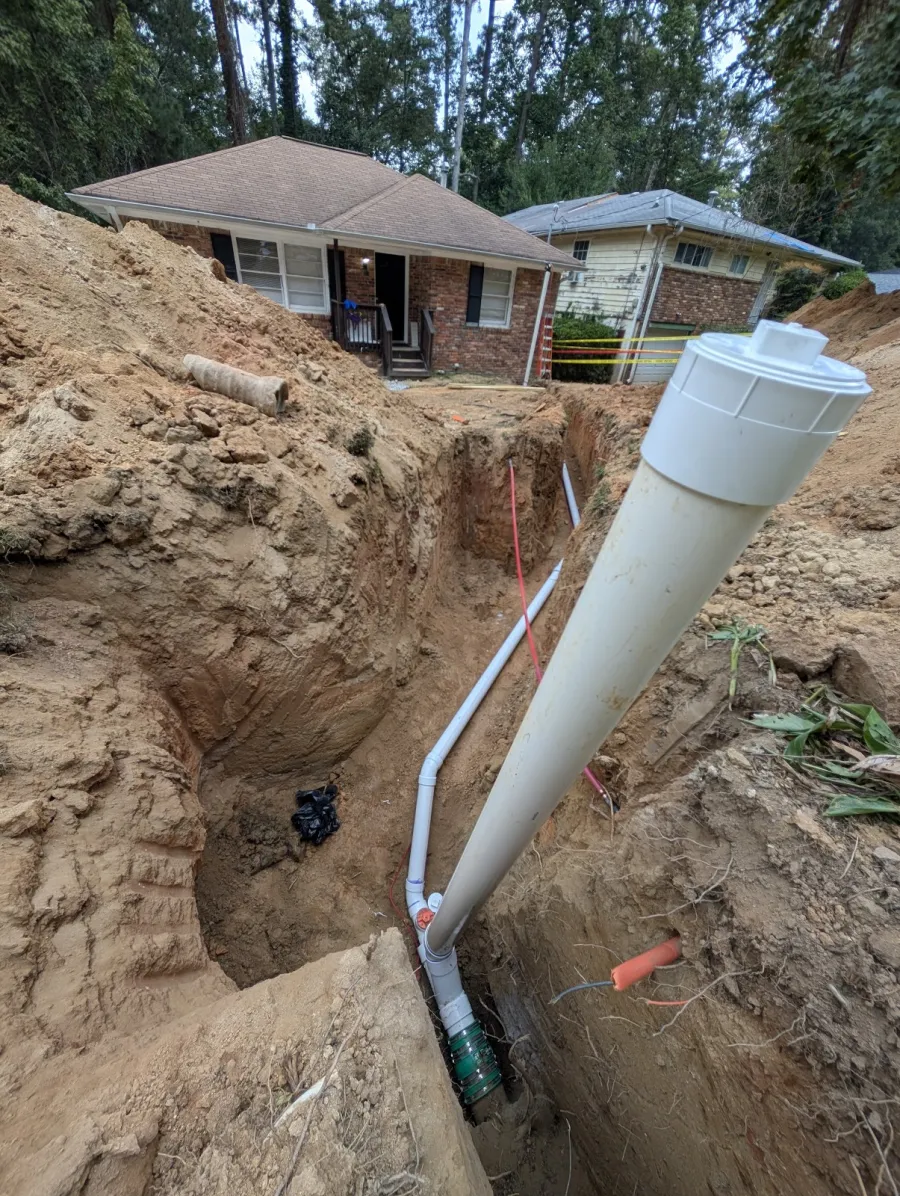
Outlet, Surface Restore, and Flow Test
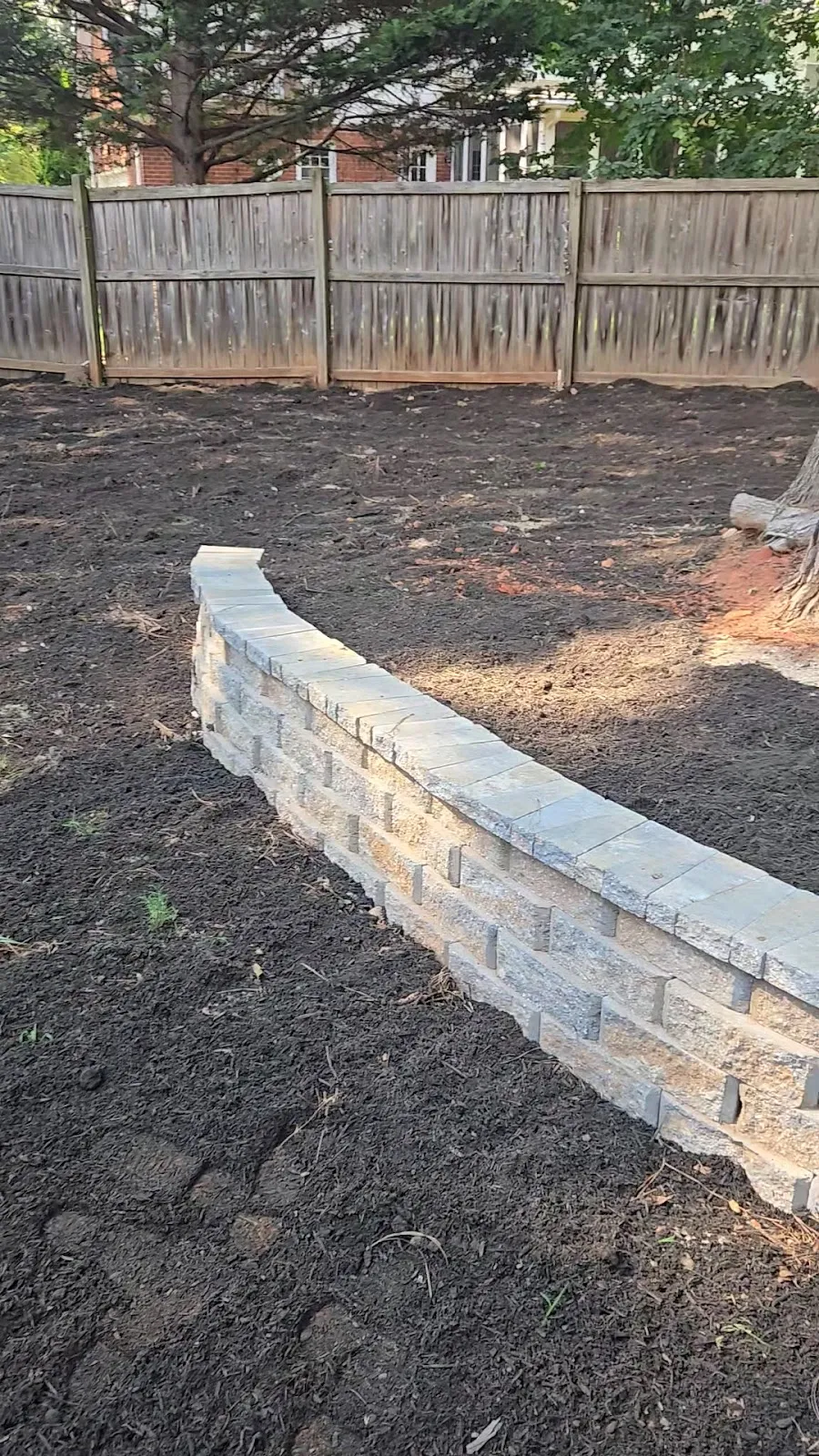
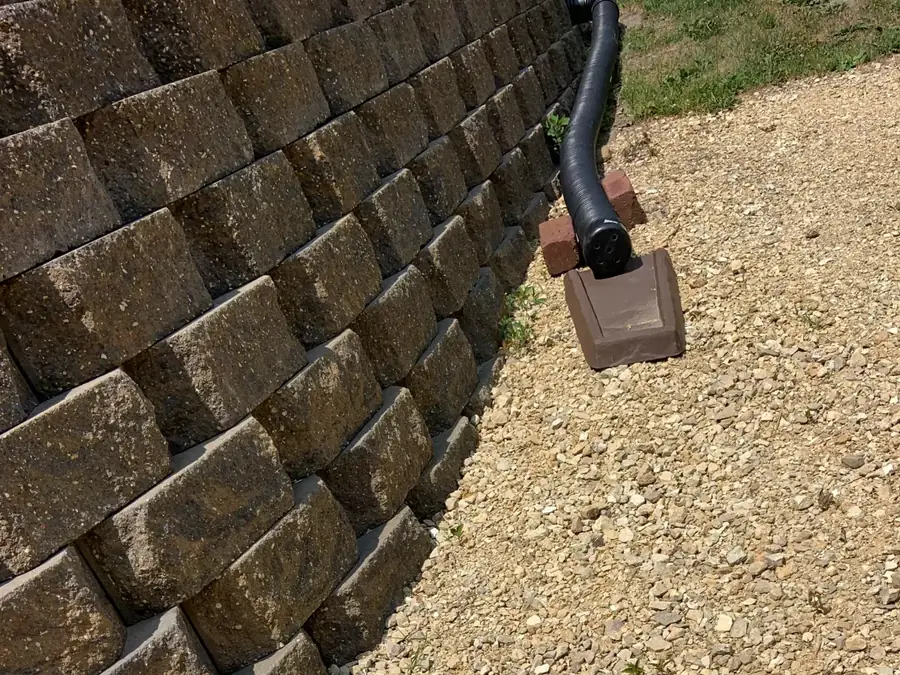
Water is routed to a daylight point, catch basin tied to storm drainage, or street outlet. Continuous downhill slope gets confirmed, a flow test runs before the installer leaves, and the surface is restored with backfill, compaction, and sod.
Why French Drains Fail in Georgia Red Clay
A french drain built correctly for Henry County's soil lasts 20 years or more. One built with shortcuts common in sandy soils fails in one to two seasons. Three factors decide which one you get.
Filter fabric specification. Georgia Piedmont clay particles are fine enough to migrate through the gaps between gravel pieces without a geotextile barrier, slowly filling the void space until the gravel bed is effectively solid. The right spec is a non-woven polypropylene geotextile rated for clay soils, wrapped around the full assembly, not just draped over the top, because a swelling soil presses in from every direction.
Trench depth. A pipe installed at 8 to 12 inches sits inside the clay horizon, which has near-zero permeability. The gravel fills with water that has nowhere to go. French drains here need to reach below the densest clay layer, typically 18 to 36 inches.
Outlet gradient. A drain needs continuous downhill fall from intake to outlet, minimum 1 inch per 8 feet. A flat run collects sediment and eventually holds standing water. Slope should be verified with a level and outlet discharge confirmed on every installation.
Typical French Drain Prices in Henry County
Red clay means harder trenching, mandatory heavy-duty filter fabric, and deeper installs than sandy soils need. These ranges reflect current Henry County labor and material costs.
| System Type | Typical Range | Notes |
|---|---|---|
| Exterior, single trench (40-60 ft) | $2,500 – $4,500 | $25-40/linear ft; most common job type |
| Exterior, two-side perimeter (80-120 ft) | $4,500 – $7,500 | Includes corner transition and outlet run |
| Exterior, full perimeter (150-200 ft) | $7,000 – $12,000 | Corner lots, full yard drainage |
| Interior (crawl space perimeter) | $40 – $55/linear ft | Higher due to access and waterproofing |
| Catch basin + underground pipe system | $3,500 – $8,000 | Driveways, patios, multiple inlets |
Every quote is free and done on-site; clay conditions, access, utilities, and outlet options can’t be priced remotely. See the McDonough french drain cost guide for the full breakdown, and the Henry County drainage permit guide for the 120 sq ft LDP rule.